A Dossier
American Honor Killings
Get the Book
The following are mostly photographs, but also a few links and texts, which should be considered integral to American Honor Killings. I’ve arranged the dossier so the material matches up to the chapters of the book (except the last, the conclusion, which needs no illustration. Instead, I’ve put a Reader’s Guide at the end.) The items can’t stand alone and in many instances won’t make complete sense without reference to the book. Yet, besides adding visual and documentary depth to the story (“surface” might be a better word), there are details in the accompanying commentary that didn’t make it into print.
I’ve listed an abbreviated table of contents first for orientation. Then photographs, commentary and other material have been posted chapter by chapter.
CONTENTS
5. A Pretty Mouth
After a general discussion of some notions of masculinity and sexual anxiety, this chapter turns to a review of the murder of Billy Jack Gaither back in 1999. Coming on the heels of Matthew Shepard’s murder and that of James Byrd Jr., this case got a great deal of attention, including a Presidential statement (Clinton) and an excellent documentary by Frontline. PBS still maintains web pages for this show, “Assault on Gay America,” and they are full of information and resources related to the case.
First, this studio portrait of Billy Jack was widely disseminated after his murder (below).
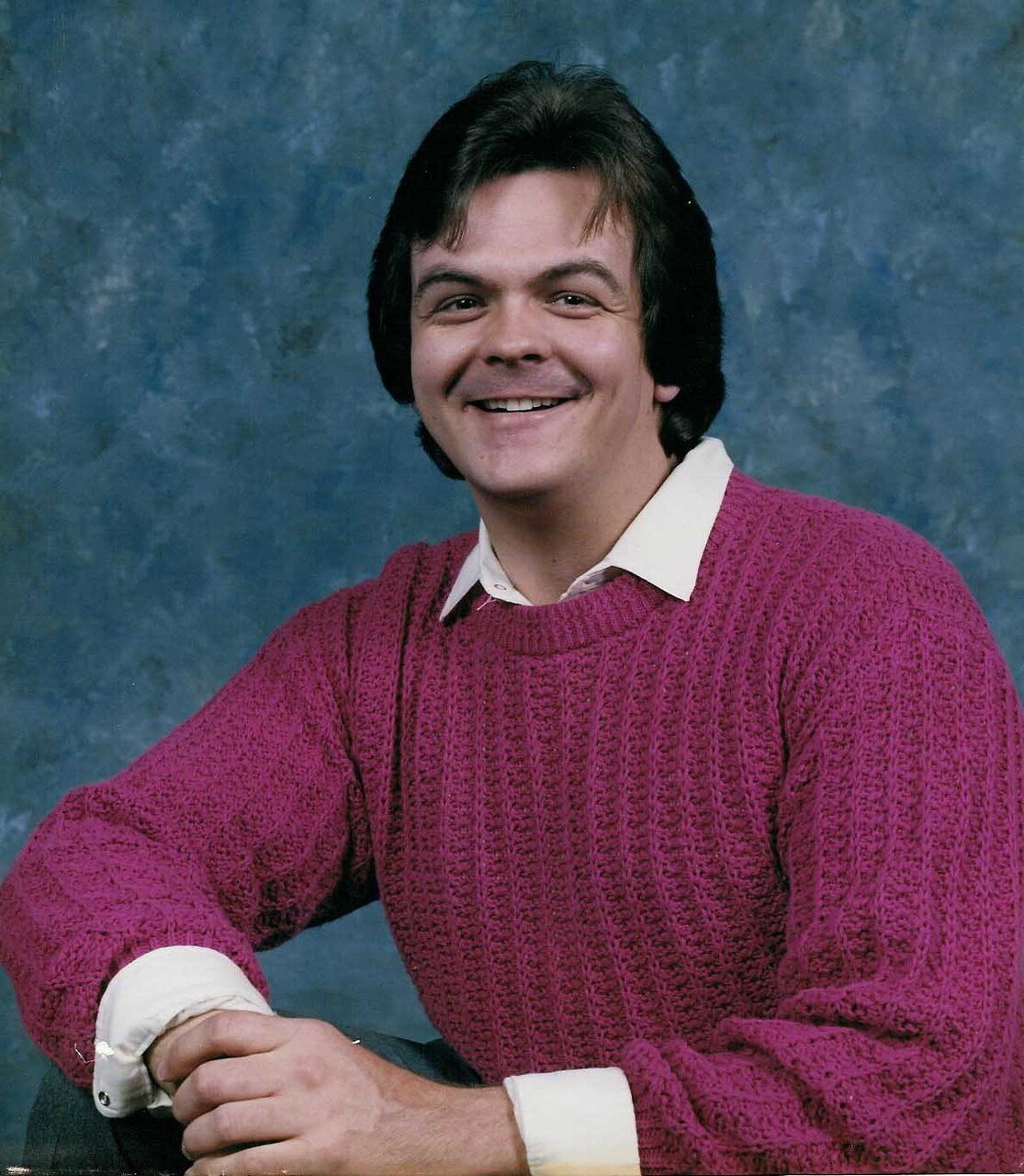
Billy Jack Gaither
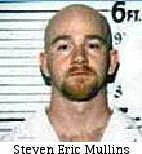
Billy Jack’s very unequal killers were the domineering ex-con Steven Eric Mullins (below, left) and the star-struck kid, Charles Monroe Butler, known as Charelsy (below, right). (These mug shots are very low quality, but pictures of the pair are hard to come by. The one of Charlesy is credited “CNN/FILE.”)
Steve Mullins
Charlesy
This is how the trailer Steve was staying in at the time looks today. Steve lived here with Charlesy’s half brother through whom the two met. After nearly killing Billy Jack in the Talladega National Forest, they drove him here, collected some gear and headed to Peckerwood Creek where Billy Jack came to and struggled. After Steve killed him “again,” the two burned his body.
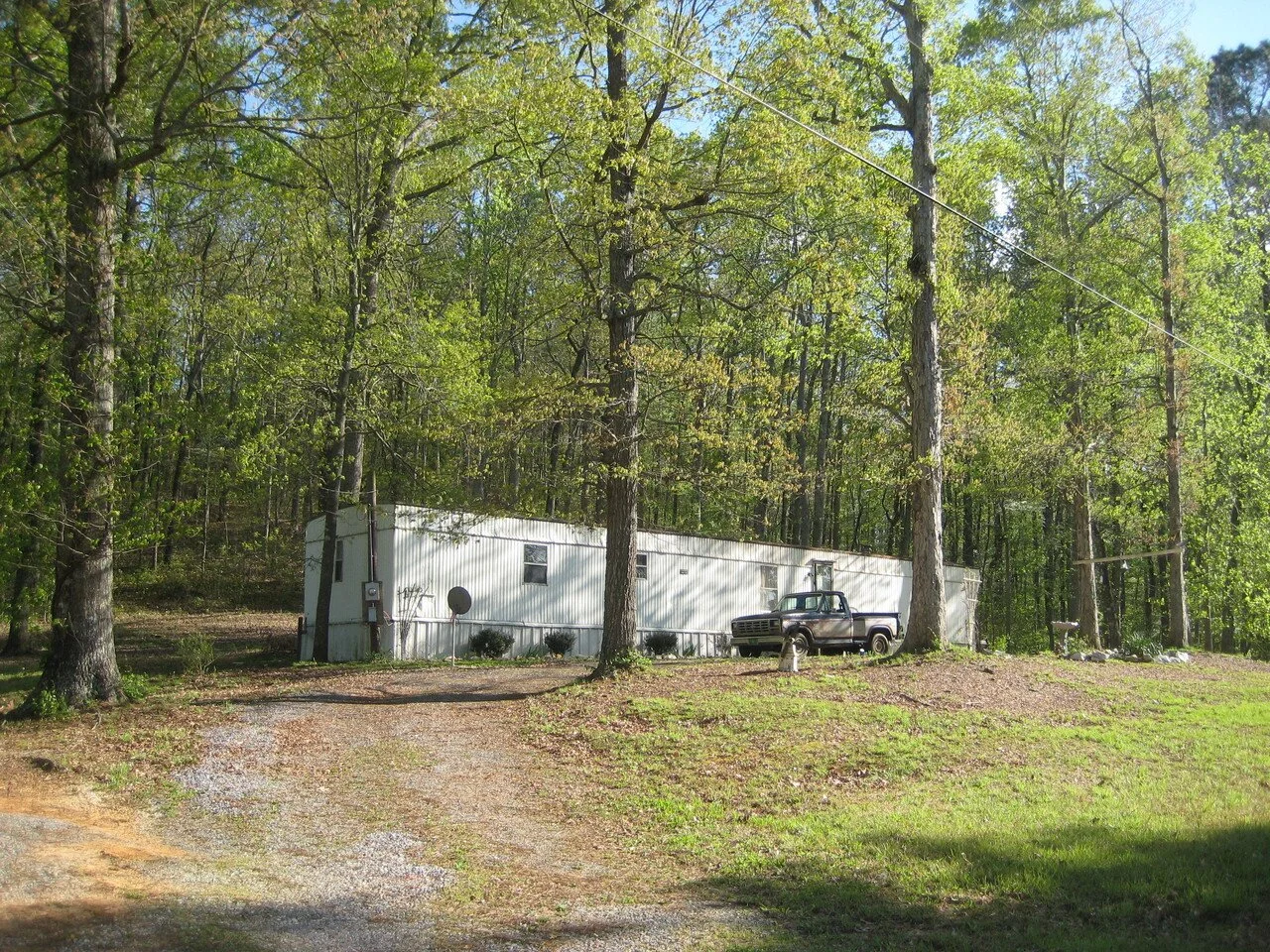
The Trailer, a stone's throw from the Coosa River
This is a picture of The Tavern, “The Hottest Bar in Town.” Billy Jack and Steve originally met here, though they traveled in different circles and didn’t care to be seen together. They also came here the night of the murder. Billy Jack went in to collect on a small debt and chat. Steve waited in the car drinking a beer.
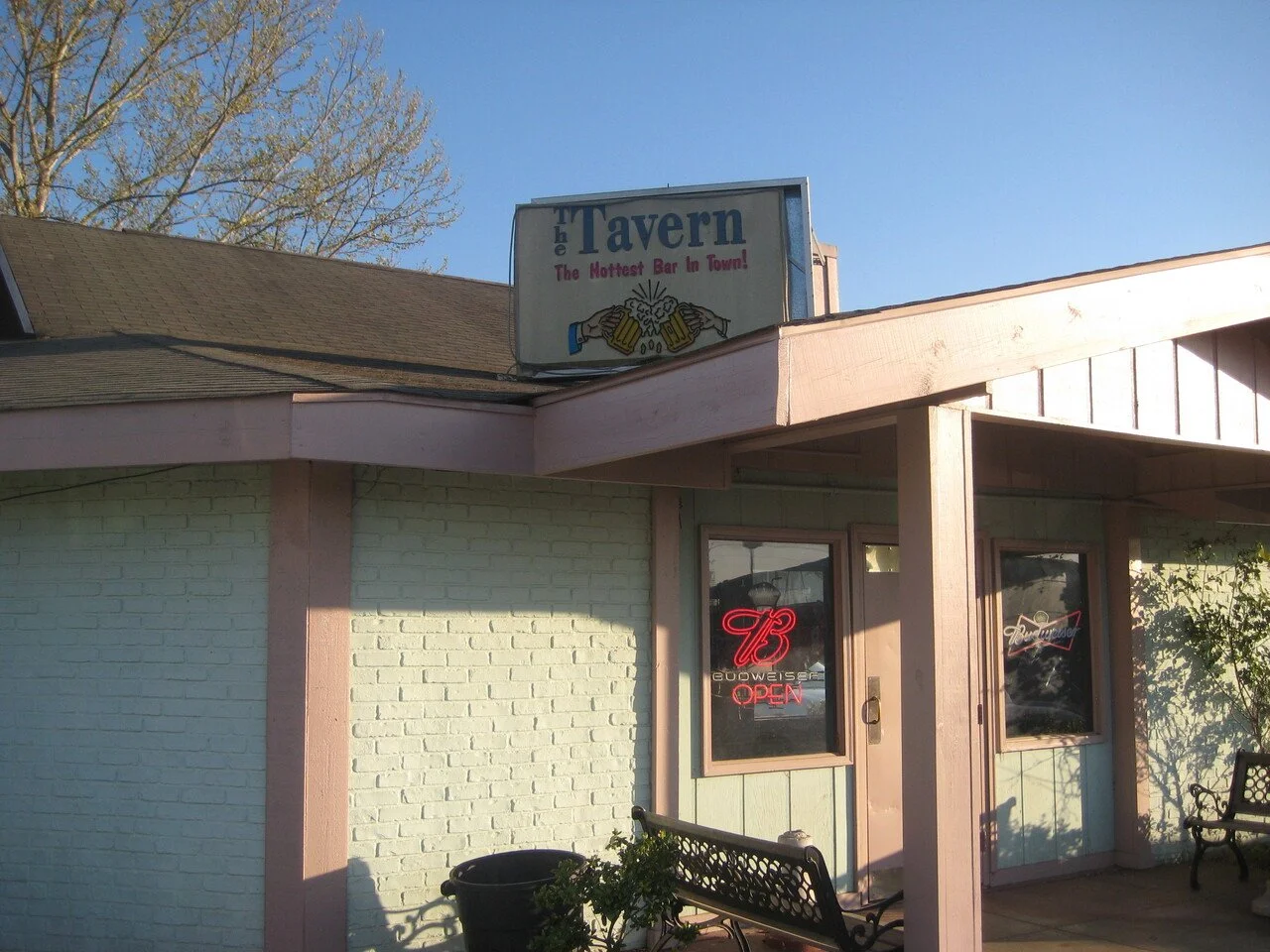
The entrance to The Tavern
Next they went to The Frame, where Charelsy and his father were having a beer or playing pool after working jobs down in Birmingham. The Frame no longer exists. This picture is a shot from the Frontline documentary.
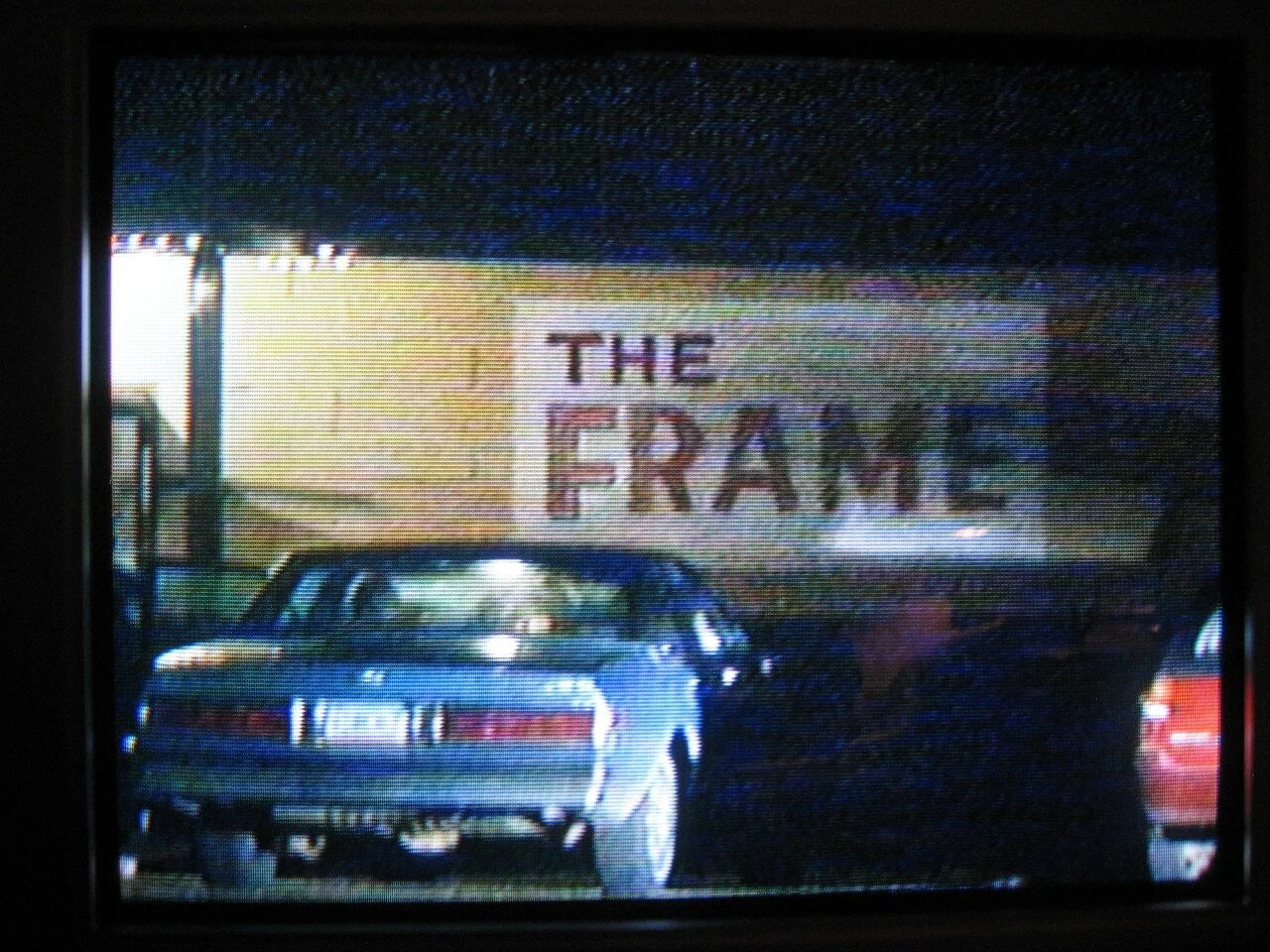
The Frame
The three got into Billy’s car together. At some point during the evening there was a promise of sex. Steve says it was all planned beforehand. Charelsy denies it. They would have driven past Billy Jack’s church on the right where he sang in the choir. Here’s the church today. After stopping by Charlesy’s house, where the younger man cleaned up, they continued out along the Millerville Highway toward a series of small lakes called “the watersheds” in Talladega National Forest.
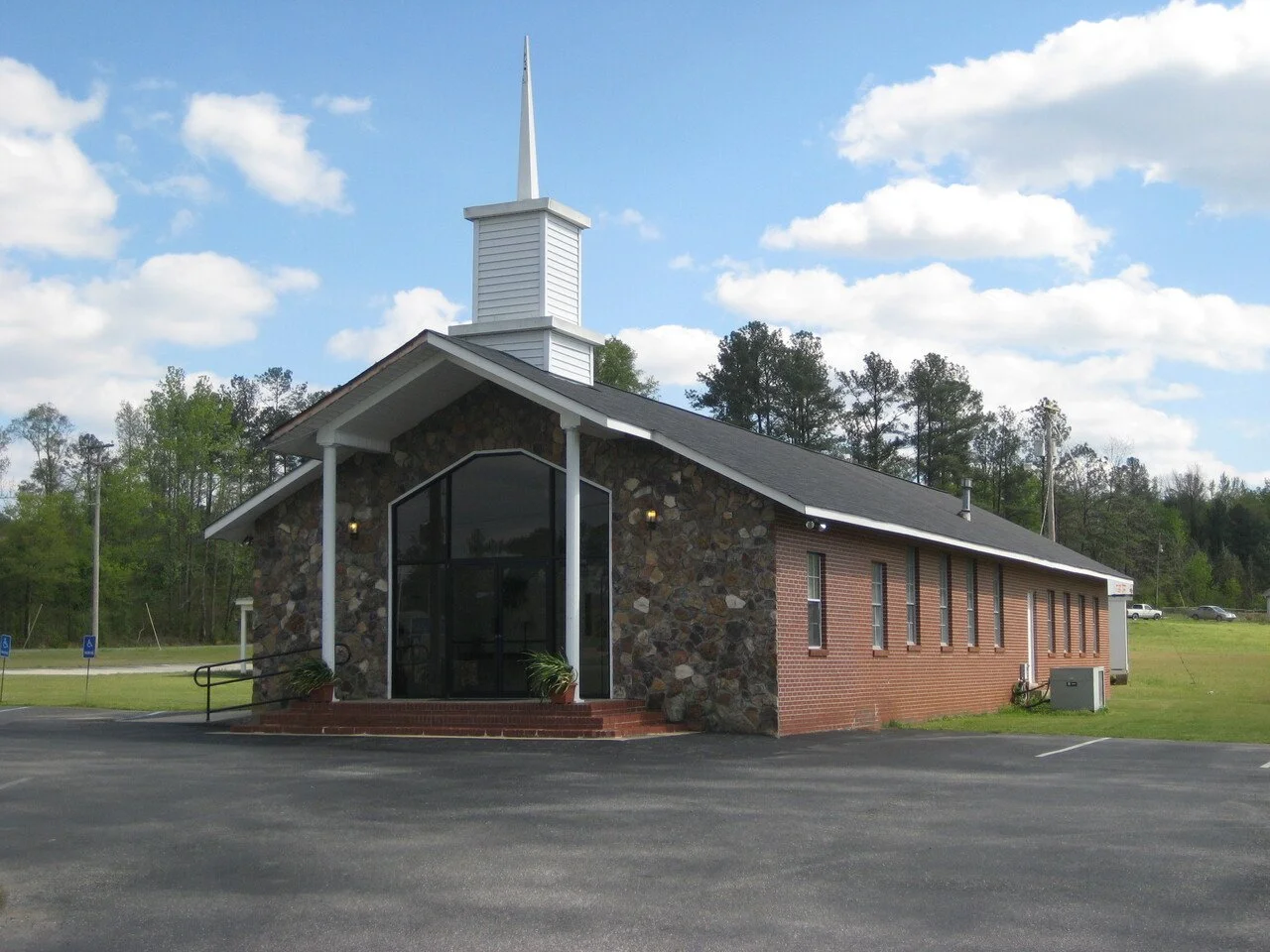
Billy Jack's church
This is the sign—the only sign—along the Millerville Highway indicating a dirt road on the left that leads to the watersheds. You have to know they’re there. Below are shots of the red dirt road and the “T” where they turned right toward Lake Virginia.
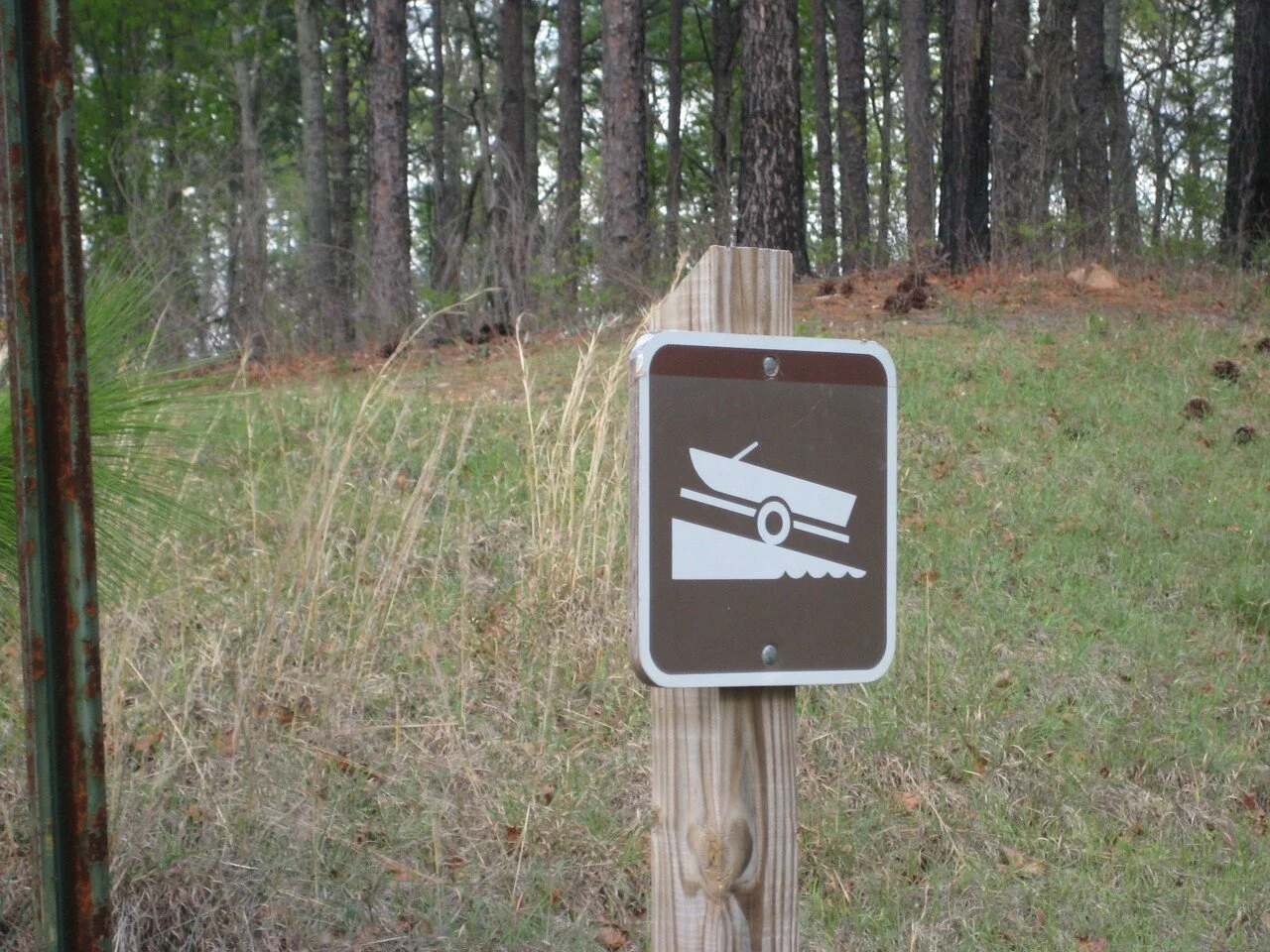
The sign on the Millerville Highway
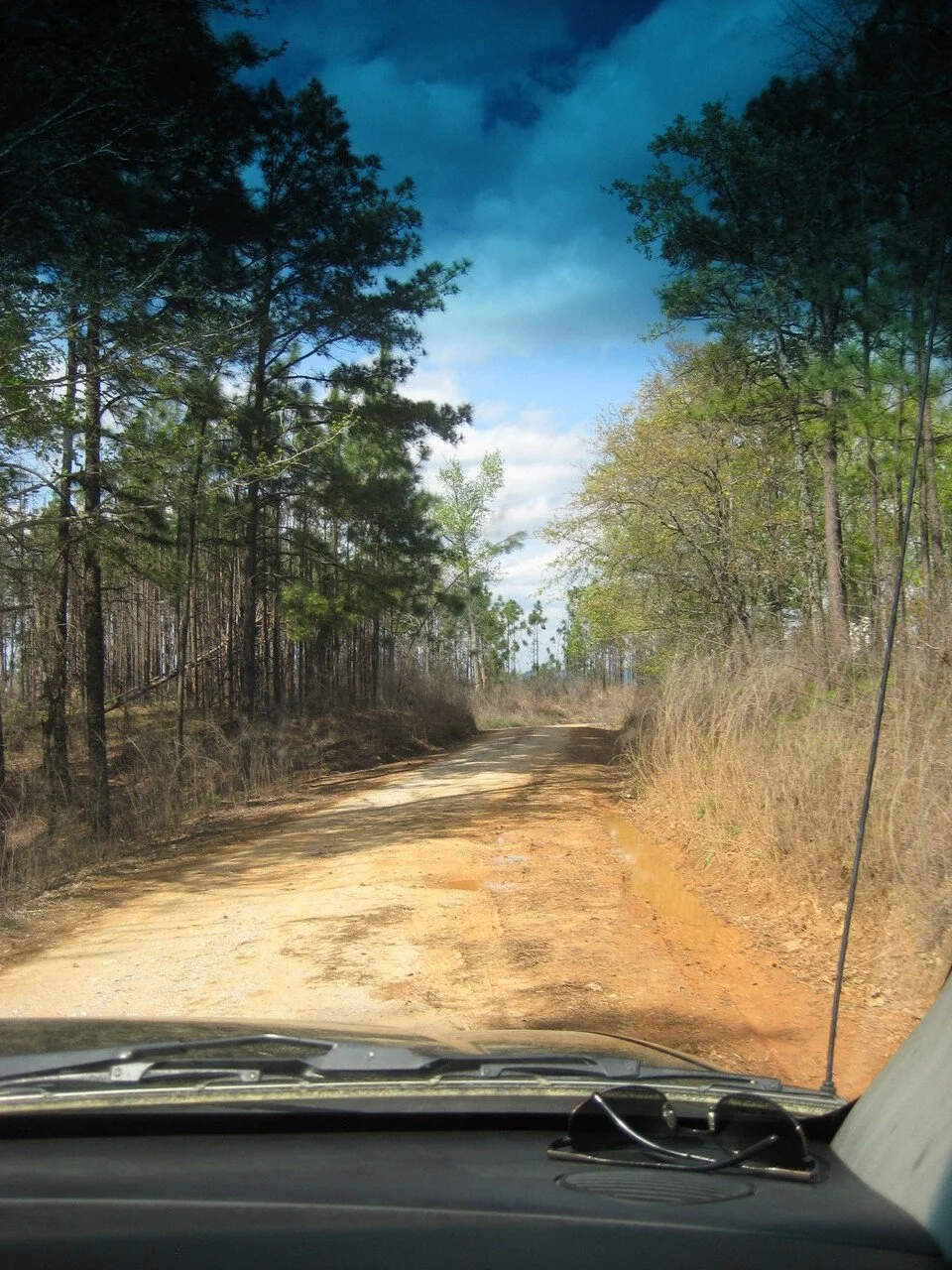
The road to the watersheds
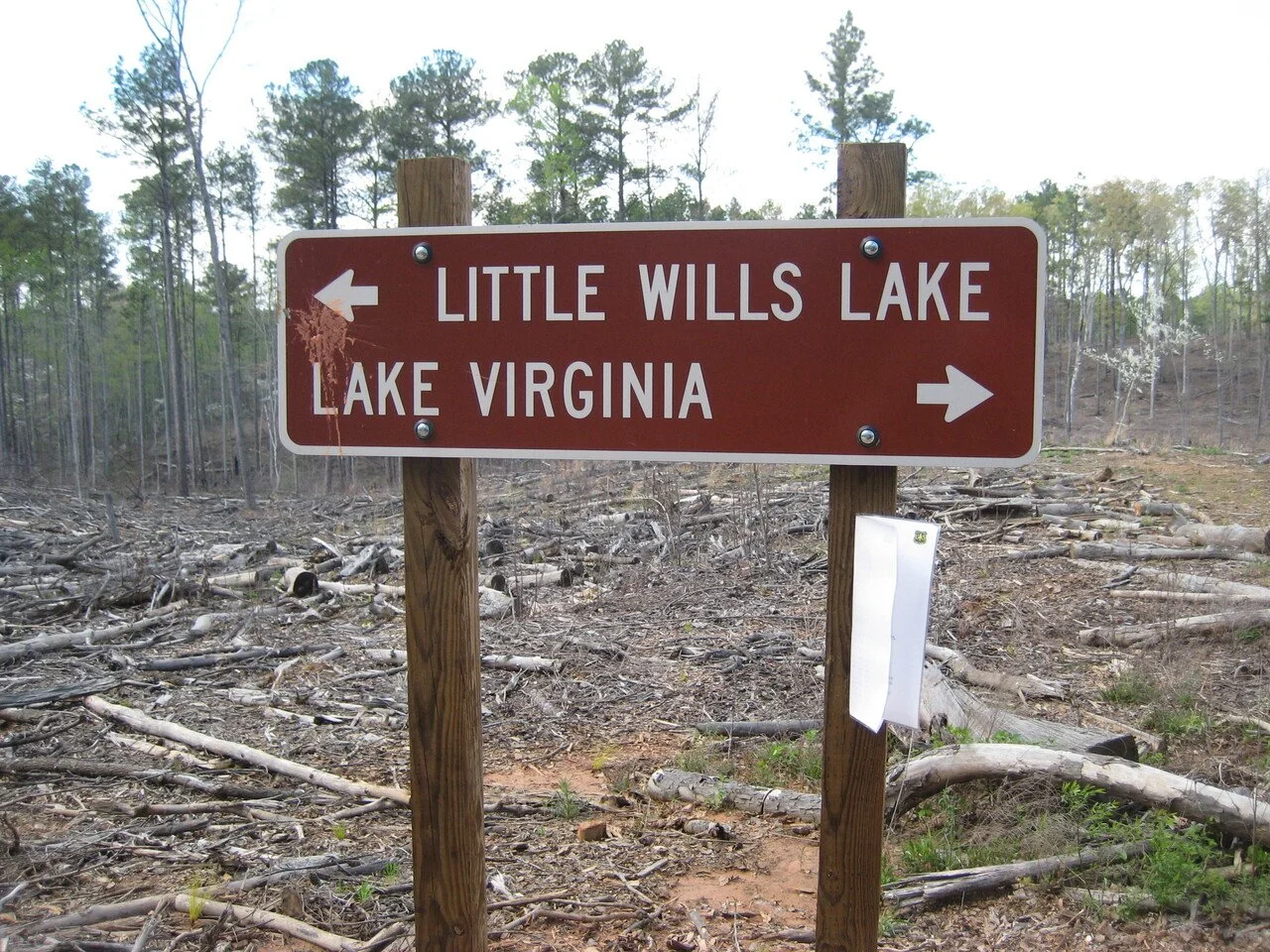
Charlesy: "There's sort of a T and we went right."
The dirt roads in the forest become increasingly rough and winding. The group had to make another left to arrive at the remote boat ramp (below) where they stopped and got out of the car. Steve stabbed Billy Jack in the back. He then threw the knife into the water.
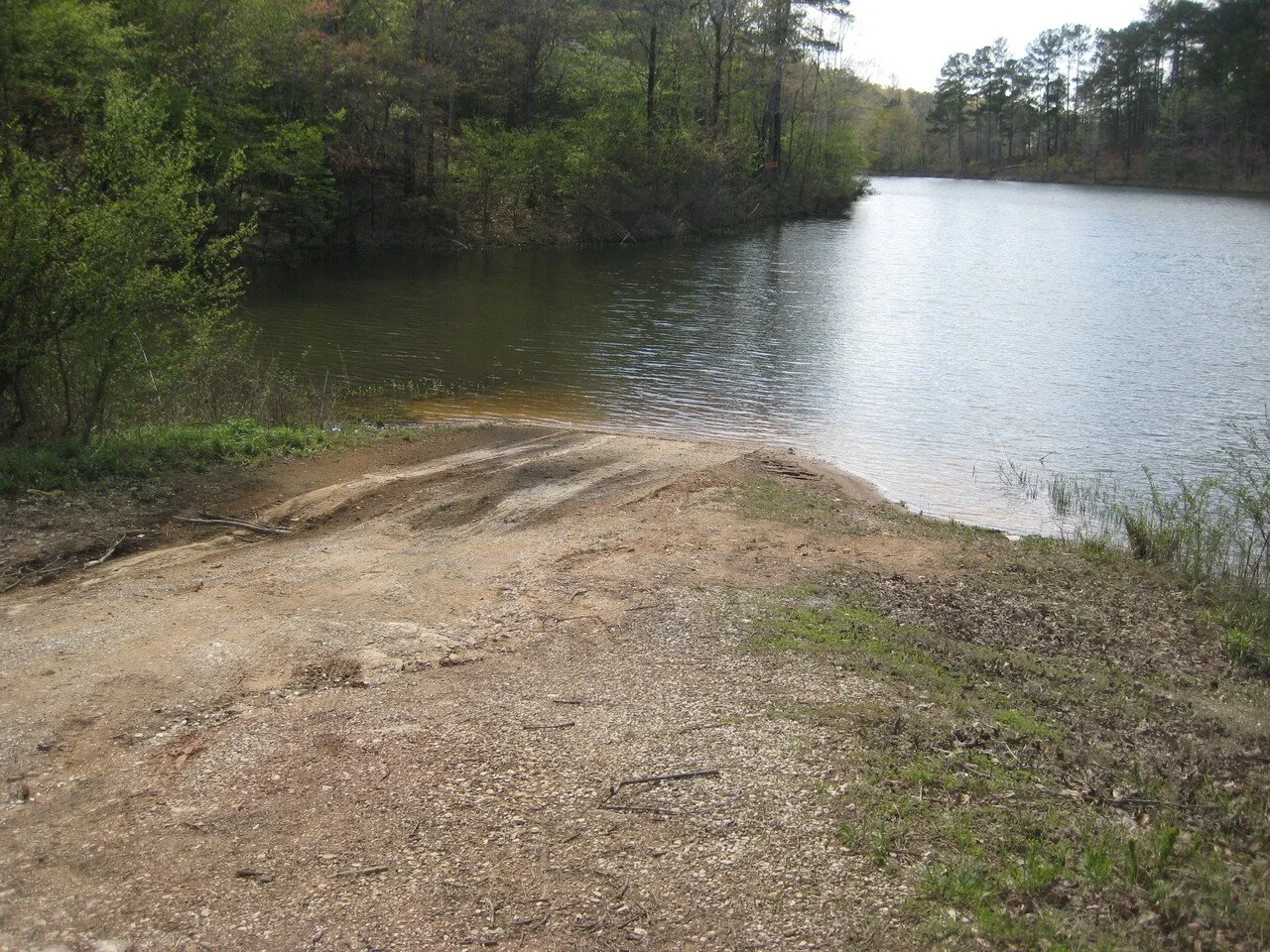
The site of the "start" of the murder
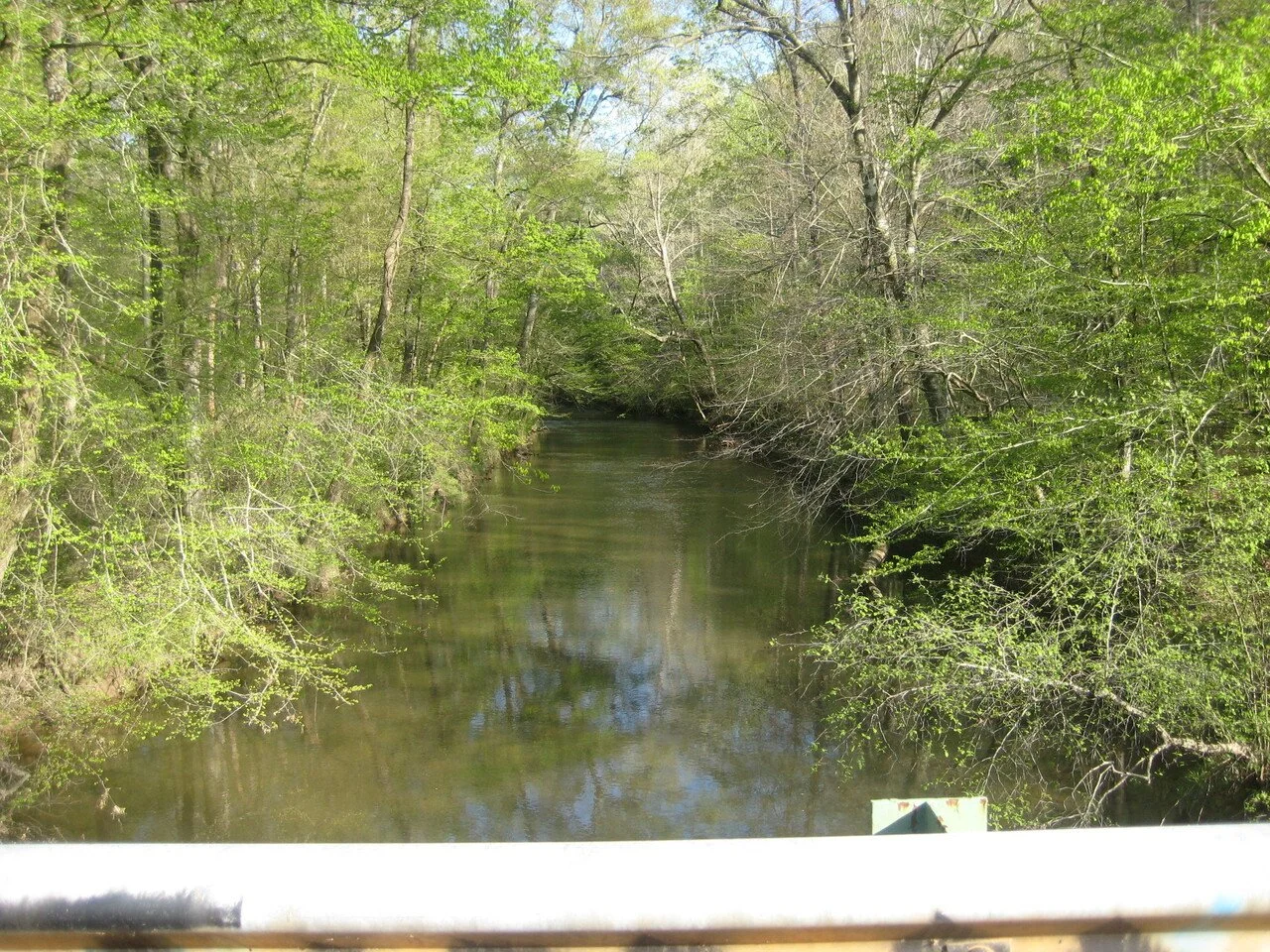
Further along the right bank of the river is the footing of the old bridge where Billy Jack came to and pushed Steve Mullins into the water. Steve beat him to death. Steve and Charlesy then burned Billy Jack's body on tires. ("Peckerwood" is an old African American term for woodpecker used somewhat as "cracker" or "white trash" are today. There's irony in the name, after all, just not phallic irony.)
Peckerwood Creek
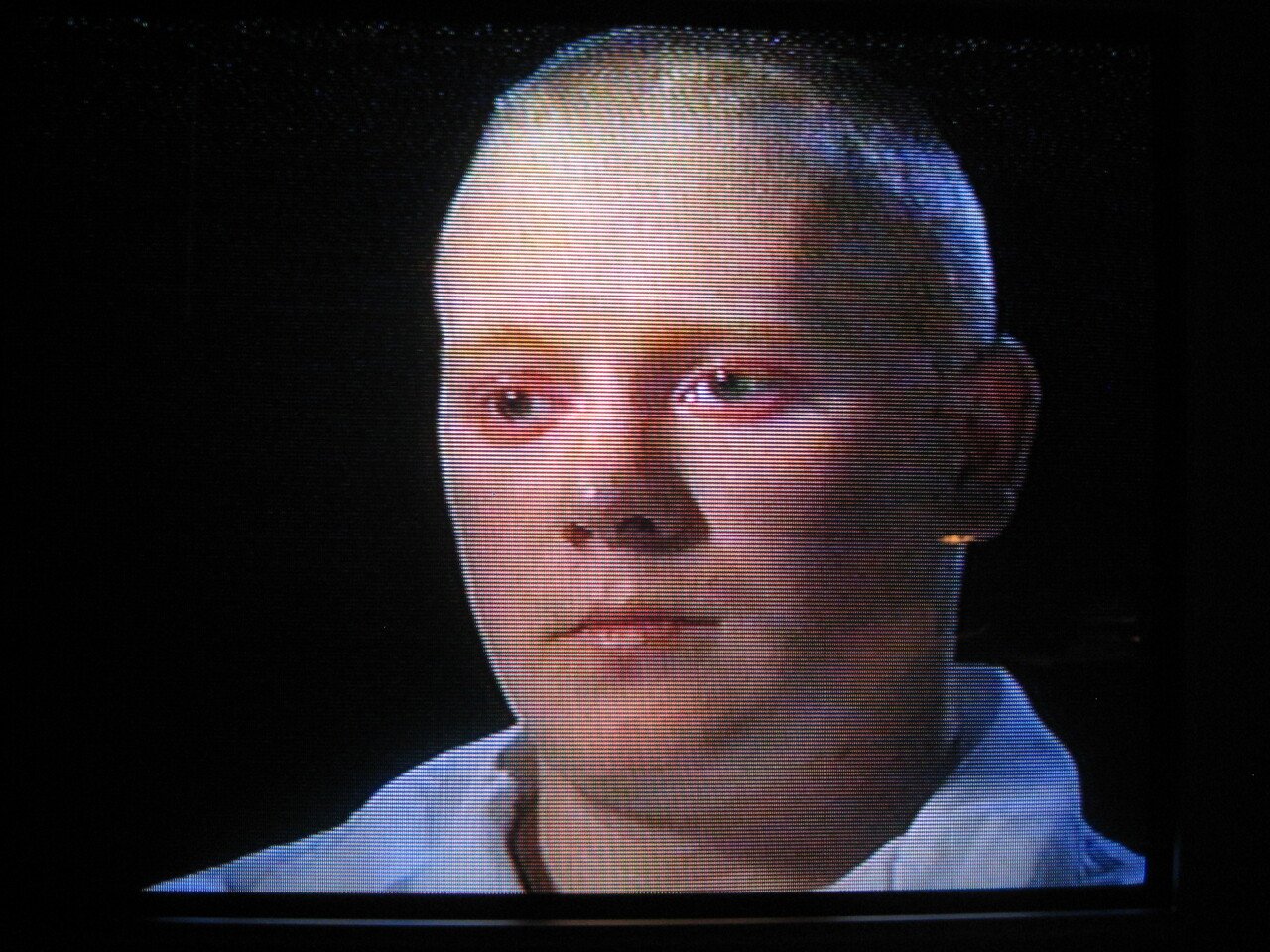
Here's a haunted-looking image of Charlesy from his interview on the Frontline documentary.
Charlesy
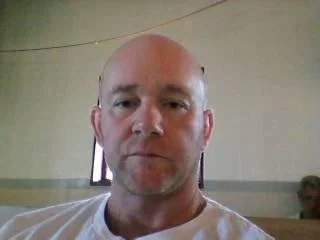
A recent picture of Steve Mullins in prison in Alabama
Steve Mullins now
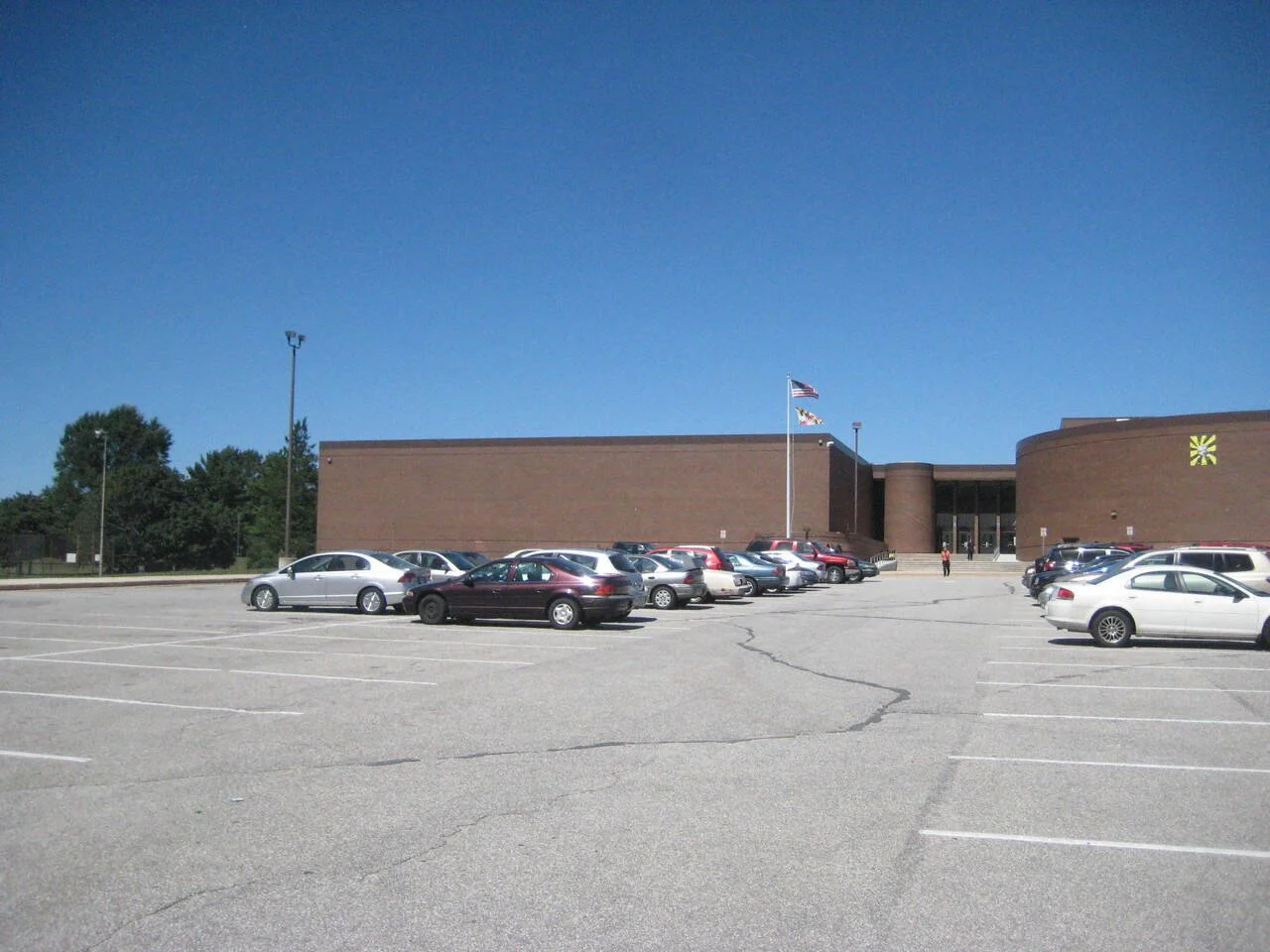
This picture shows the parking lot and main entrance to Randallstown High School. Steven Parrish, the victim, Steven Hollis, his best childhood friend and eventually one of his murderers, as well as many other members of the 92 Family Swans, as they were to call themselves, went to school here. Randallstown is a middle class suburb, maybe a little too close to "gangsta" Baltimore for comfort.
Randallstown High School
6. Parrish, Rawlings, Hollis and Flythe, 2008
Below is Steven Hollis’s family home, just a few blocks from school. The two Stevens often spent the night together here or at the Parrish home.
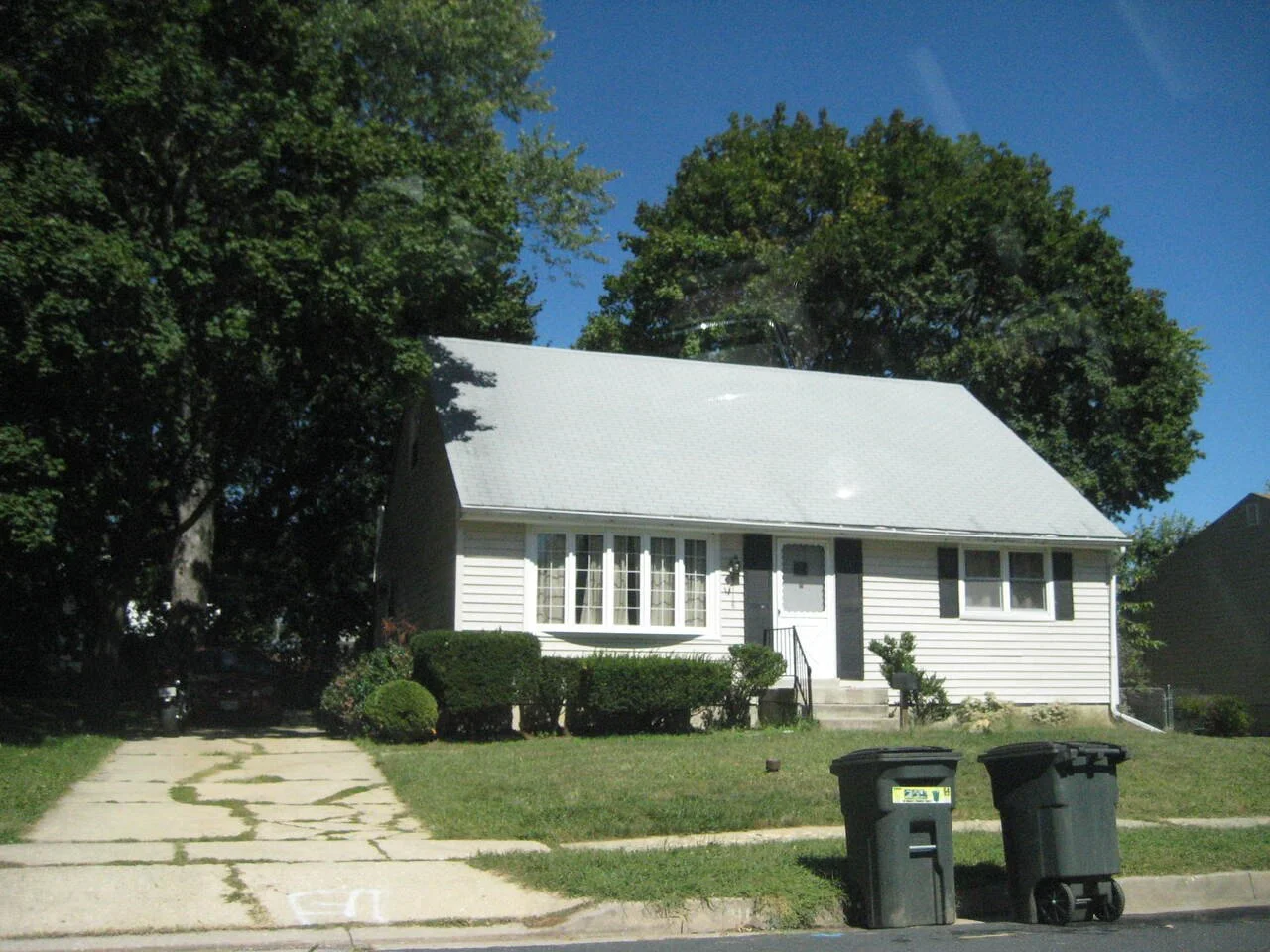
The Hollis home
The Parrishes lived in a townhouse complex. Their unit (below) was all the way at the back abutting a park. This is where Steven Parrish had the fateful 18th birthday for himself. On the day Parrish was murdered, Steven Hollis waited by the door here. His old friend came out at the usual time on his way to driving school.
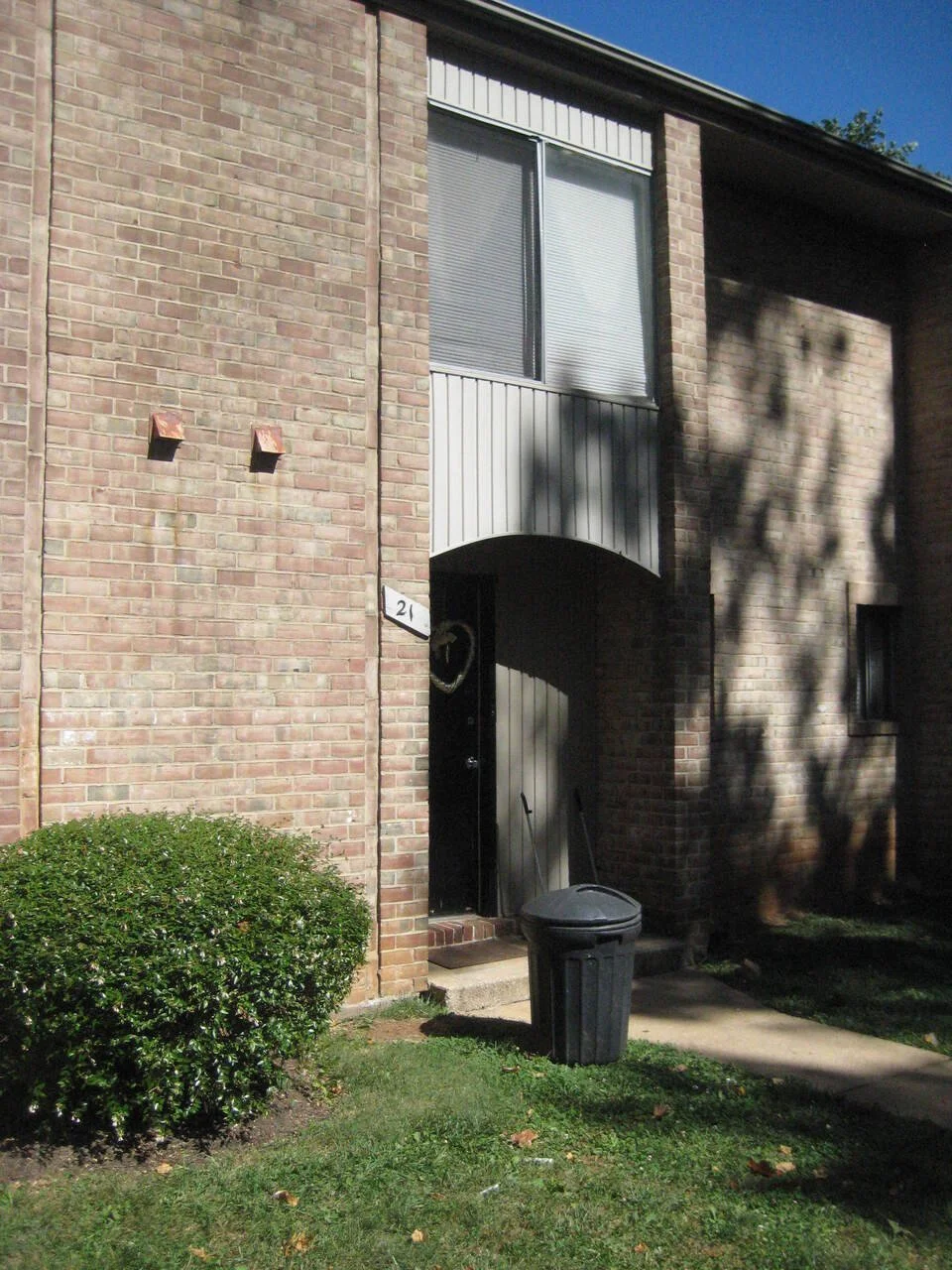
The Parrish home
Right around the corner from the Parrish home, the last in a row of townhouses, was the dead end where the complex kept a garbage bin and where there was access to a path through the woods. (It starts at the dirt patch to the right of the garbage bin. The picture expands.) On the day of the murder Juan Flythe waited here for the two Stevens to show up.
The way into the woods
Some ways into the woods—here, in fact (below)—Juan Flythe and Steven Hollis stabbed and beat their “friend” to death. He was heard screaming: “I didn’t do nothing!” The killers stripped his pants off, and laid a red handkerchief over his face as a sign of a gang murder.
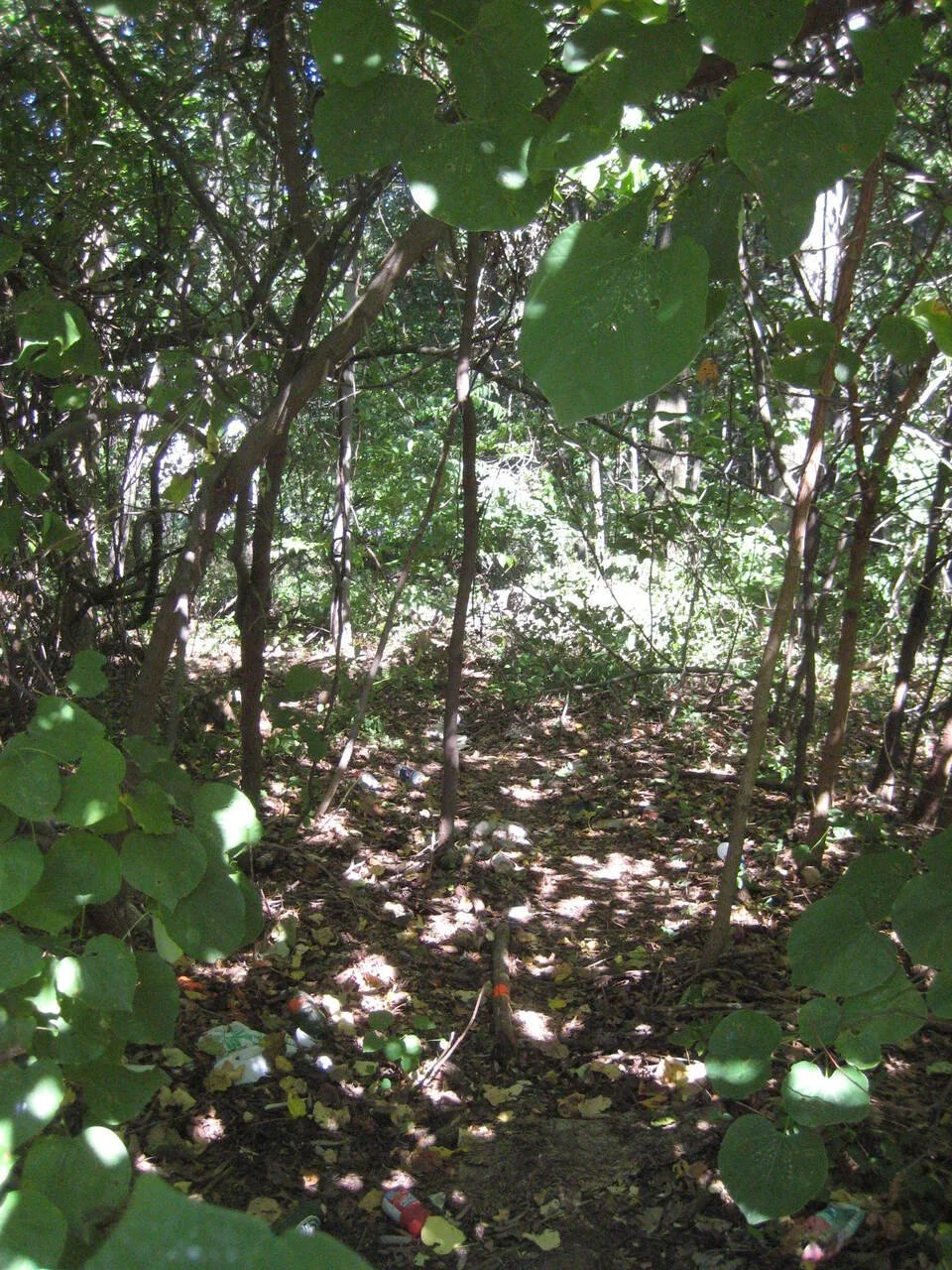
The site of the murder
Here are two shots of the victim, Steven Parrish. They must be from considerably before the murder, because he’s wearing a blue handkerchief in both--on the bus and (below) in what looks like a cell phone self-portrait. His gang color would later be red. Unfortunately, both shots are dim and hard to make out. (“RIP Steven” has been added to the second picture.)
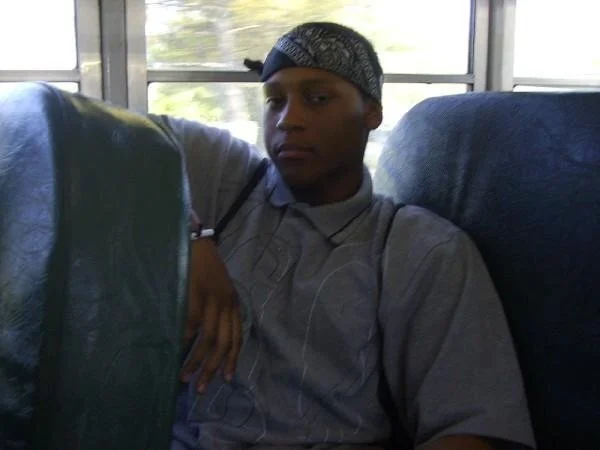
Steve on a bus
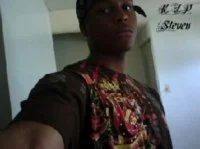
Steven
Finally, this is the kind of picture we’ve all seen a thousand times on the local news, the High School portrait broadcast ever so briefly to illustrate some tragedy. To me the televised fleetingness of these images and their hokey, forgettable design make them seem more memento mori than memorial. Yet it’s a great picture of Steven.
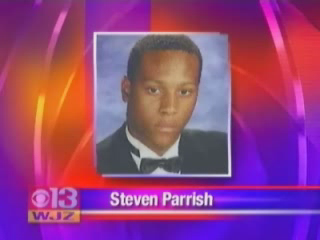
Steven on TV
7. Gangs and Loners
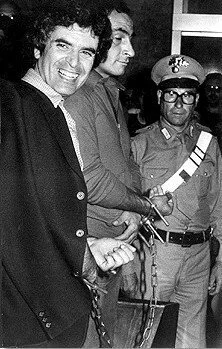
First, a 1977 trial photograph of Leonardo Vitale, the “crazy Mafioso” whose story, unexpectedly, resonates with ideas and feelings about masculinity addressed in American Honor Killings. Next is a portrait of Vitale as a young man. (The first picture is from Wikipedia, which credits Franco Zecchin.)
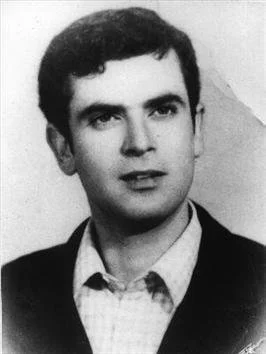
Leonardo Vitale in his youth
Leonardo Vitale (left)
8. Weber and Katehis, 2009
There’s an incredible wealth of online material related to the case of John Katehis. The people involved were all over the internet. Some of the many, many pictures of John were taken from MySpace and put up on Gawker a day or two after the murder. I spent a lot of time in John’s presence in Court and I think this picture captures something about him better than any other. It was taken after his arrest upstate. The sixteen-year-old had been driven back to Brooklyn and kept up all night making statements. His clothes were taken as evidence, so when he emerged from the station house he was wearing oversized clothing provided by the police. His upper lip is slightly swollen from a struggle during his capture.
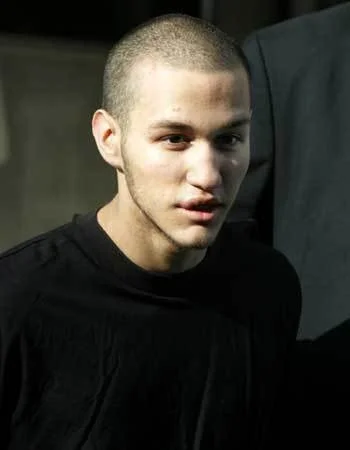
John Katehis
Here he is at the same moment. Detective James Normile—later an important witness to the capture, the drive back to Brooklyn and the interrogation—leads him to a car.
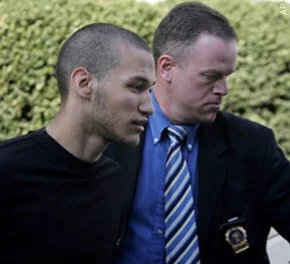
John with a detective
Here’s John inside the station the night before. This is a screen shot, unfortunately tiny, from the DVD of John’s remarkable confession. Note the donut on the plate. The knife injury on his hand isn’t visible but you can see he’s holding his right forefinger bent stiffly. These were the clothes that were taken into evidence. During the DVD he mentions that he was wearing this very Harley jacket when he went over to George’s. Afraid of getting it bloody, he said he left carrying it and wore one of George’s instead.
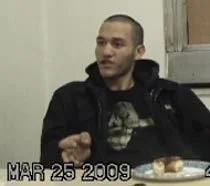
Talking to an ADA in the middle of the night
Here’s a happier image of father and son. The two shared an interest in Satanism and heavy metal music. Spiro claimed that the books on Satanism police later discovered were all his own.
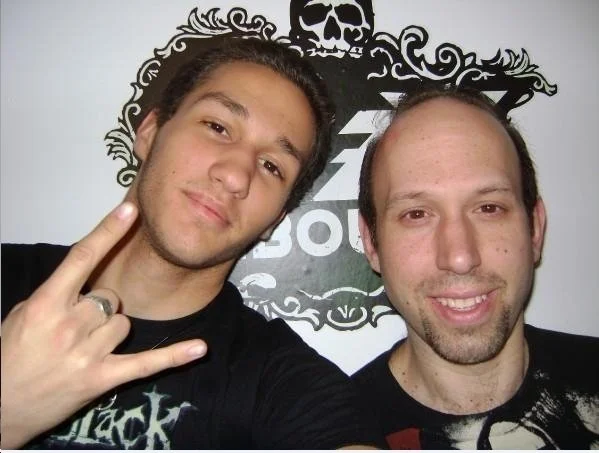
John and Spiro
Here’s a picture of John’s divorced parents, Spiro and Beth, at their son's arraignment. Spiro told me he was furious when this admittedly unflattering picture of him was published. He later trimmed his hair and became mistrustful, in particular, of the New York Post.
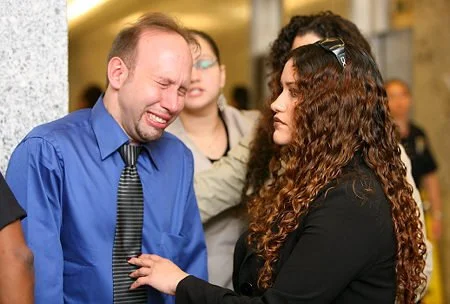
Spiro and Beth
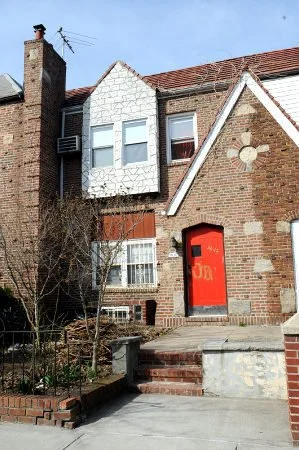
John was living in a rental in this Queens house with his mother Beth, his younger sister and a mostly white cat named Fluffy. He attended a school for troubled kids in Westchester.
John’s House
There are so many pictures of John I thought I’d post them in bunches. This first group emphasizes John’s kid-like side. The Satanic and “fuck you” ones wouldn’t necessarily be disturbing except in retrospect. The first one clearly shows his 666/pentagram/Diablo tattoo. Apparently, the one long arm of this pentagram makes it “properly” Satanic. The third picture shows what may be the Harley jacket he wore to George’s the night of the murder and in his DVD confession. Then there’s a series of self-portraits he posted as “greeksatan92” to vampirefreaks.com. (All the pictures expand.)
These pictures—the ones that disturbed Gawker readers and others so much—are of John showing off his knife collection. The first one shows the whole collection laid out. The next four with a blank television in the background seem to be from one photo session. His hair is shaved in the one taken in front of the door. (The last three will expand if you click on them.)
Finally, these three pictures (one seems to be from that same series in front of the TV) show John holding a particular knife. I’ve separated these out. This flip knife was missing from the collection police recovered and may have been the murder weapon, which was never found. John claimed that his victim pulled a certain kind of knife on him. He described it as a flip knife you can open with one hand, adding, “I have a nicer one.”
A particular knife
Here’s the victim, George Weber, a radio newsman known as “the news guy.” Lately, he’d had to struggle a bit for jobs and had started a blog. Next is a photo of him with New York Mayor Michael Bloomberg from when George worked on the Mayor’s radio show. George’s connections in the media led to early accusations that his case was being given special treatment, even that John was being railroaded.
George Weber
George with Mike Bloomberg
This strange picture of George’s leg covered with inflamed bed bug bites was posted to his blog by George himself the day before his murder. He wrote: “Many of you know, I have had two bouts with bed bugs in my over ten years at this location in Carroll Gardens, so my radar is always on when it comes to the blood sucking bastards that made my life hell. I'll never forget those sleepless nights of waking up to find red bumps all over my body, very much like what you're seeing in this photo. Just thinking of them makes me itch! Happily, and thanks to my landlord and a reputable exterminator, they no longer exist.” What’s so interesting is that George’s apartment was full of NIC bug powder. When John came over, he seemed to think or fantasize that the powder was vast amounts of loose Cocaine. He claimed that George plied him with the Cocaine, and that it made him so “jumpy” that he started “freaking out,” and that his drugged condition in part led to the murder.
George’s bed bug problem
Here is a shot of the street on Sunday, when the crime was discovered. George’s building is at the far left. One of the two street-facing windows of his parlor floor apartment is cut off in this picture.
George’s Townhouse
Two pictures of George’s body being removed in a body bag. A long-time forensics expert said the crime scene was the most complex he’d ever worked. The amount of evidence--blood, prints, clothes, DNA, bandage wrappers, AXE body spray, rifled lunch boxes, spilled aspirin--was astounding.
Here’s John at a hearing with one of his lawyers from the first trial. That trial ended in a mistrial because a single juror couldn’t resolve her doubts about intent.
Before the first trial
Well over a year later, this is a New York Post photo by Spencer Burnett that captures the moment John was sentenced to twenty-five to life (the maximum) after his second trial. John turned to look at his father. This picture doesn’t really capture John’s strange juvenile nervousness at that moment or his shrug, but it’s a good fit with the Post headline: “Grinning Killer to Rot in Prison.”Well over a year later, this is a New York Post photo by Spencer Burnett that captures the moment John was sentenced to twenty-five to life (the maximum) after his second trial. John turned to look at his father. This picture doesn’t really capture John’s strange juvenile nervousness at that moment or his shrug, but it’s a good fit with the Post headline: “Grinning Killer to Rot in Prison.”
On hearing the sentence
Talking Points / Reader’s Guide
1) Somewhat provocatively, the book identifies as “Honor Killings” murders conventionally known as “hate crimes” or “gay panic killings.” The usage appears to complicate understanding of these events. Why would the author introduce ambiguity into the description of acts about which there’s no ethical doubt that they’re wrong, even evil?
2) And where exactly is honor located in the various cases? It’s fairly clear that Steve Mullins felt his personal honor affronted by Billy Jack Gaither’s proposition. And the murder of Steven Parrish was prompted by a notion of “gang honor.” But in the other cases the honor motive is more obscure. The author suggests Darrell Madden acted with a certain unconscious sense of “dishonor.” What about the Williams brothers or John Katehis? Were they simply insane, or did their actions play off a broader cultural conception of honor?
3) The book concentrates on the dark heart of violence in young men. But unquestionably most of the killers are to some degree sociopathic or otherwise psychologically damaged. So what’s the relevance of the stories to the rest of us and to society?
4) The book’s emphasis is on the killers. Is it possible to imagine a way to heal or tame the violence and anger of these men? How could they have been raised or educated differently? Is it even possible to derive practical or political conclusions from stories so full of specific detail and paradox?
5) It’s uncomfortable to identify with the people described in this book, but should we? Do we? The author briefly mentions his own identification both with Darrell Madden and Madden’s victim Steve Domer. What can a reader get out of experiencing such feelings?
6) Who’s really gay or bisexual or straight? The author says that Steve Mullins now identifies himself as “bisexual” but adds that one of Mullins’ friends considers the killer “basically straight” because his bisexuality doesn’t appear “innate.” Are there two kinds of sexuality corresponding roughly to the “genotype” and “phenotype” of biologists, that is, inborn and expressed? Is one more privileged than the other?
7) The sexual roles of top and bottom form a ground bass to many people’s notions of masculinity (often treated as winner/loser or strong/weak). Does moral content inhere in either role? Is one or the other good or bad? Why?
8) The writer comes to these stories from a literary viewpoint, not that of an activist or of a gender studies or gay studies academic. How might the treatment of an academic or activist have differed? And what does his perspective have to offer academics and activists?
9) The author seems to follow the pattern of legal “case histories,” one enriched by literary technique, in recounting these crimes. Is his tone the legal pose of objectivity or classic artistic coldness? Do the author’s opinions or prejudices eke through in places? Does he seem an honest broker? Do you feel able to make your own judgments about what happened?
10) Masculinity or ideas of masculinity are key to the events described in the book. Will women and men have fundamentally different readings of these cases? Gay and straight people?
11) Is there a real relationship between sex and violence or is it just a resemblance? Recent studies show the human brain processes simile and metaphor quite differently. Scientists were amazed to see widely separated parts of the brain become active when a person hears, for example, “The snow is sugar” and “The snow is like sugar.” What might happen if we tried the experiment using the words “sex” and “violence?”
12) Because the book concentrates on the link between ideas of sex and violence in a purely masculine context, all the cases involve gay victims or victims thought to be gay. But the violence described could easily have been visited on members of any out-group, Jews, African-Americans. To what extent does youthful masculine violence seem directed at a particular group and to what extent is it simply explosive?